
Child Nutrition: A Complete Guide for Healthy Growth and Development
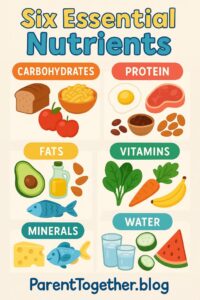
Proper child nutrition plays a critical role in ensuring children grow strong, stay healthy, and perform well in school. During childhood, the body undergoes rapid physical and mental development, which requires a steady supply of essential nutrients such as proteins, vitamins, minerals, carbohydrates, and healthy fats.
Unfortunately, many children around the world—including some in Ghana—experience nutritional challenges that can affect their growth, learning ability, and immune system. Parents and caregivers therefore need reliable information about healthy feeding practices, balanced diets, and the warning signs of nutritional deficiencies.
This guide covers essential topics related to child nutrition, including the importance of balanced meals, foods that support child growth and development, and practical strategies to prevent malnutrition.
Child Nutrition in Ghana
Child nutrition in Ghana remains an important public health topic. While many families provide healthy home-cooked meals, issues such as limited food variety, poverty, and lack of nutrition awareness can contribute to nutritional deficiencies among children.
Children require a diet that includes locally available foods such as:
- Whole grains like rice, maize, and millet
- Protein sources such as beans, eggs, fish, and groundnuts
- Fruits like mangoes, oranges, and bananas
- Vegetables including kontomire, carrots, and cabbage
Providing a mix of these foods helps ensure children receive essential nutrients necessary for healthy development.
Improving child nutrition in Ghana involves promoting nutrition education, encouraging balanced diets, and ensuring children have consistent access to healthy meals.
Signs of Malnutrition in Children
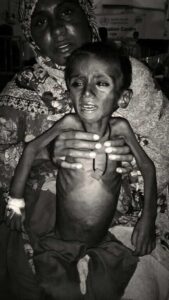
Understanding the early signs of malnutrition in children allows caregivers to take action before serious health problems occur. Malnutrition can affect a child’s physical growth, mental development, and immune system.
Some common signs include:
- Slow growth or stunted height
- Sudden weight loss or underweight appearance
- Fatigue and low energy
- Frequent illness or infections
- Swollen belly or thin arms and legs
- Delayed development
Recognizing these signs early allows parents and caregivers to improve a child’s diet and seek appropriate medical care if necessary.
Foods for Child Growth and Development
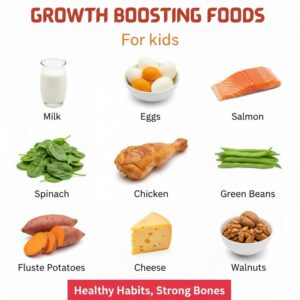
Children need nutrient-rich foods that support both physical and cognitive development. A healthy diet should contain a combination of different food groups.
Important foods that support child growth include:
Protein-rich foods
- Eggs
- Fish
- Beans
- Chicken
- Milk and dairy products
Energy foods
- Rice
- Yam
- Cassava
- Bread
- Potatoes
Protective foods
- Fruits
- Vegetables
- Nuts and seeds
These foods provide the vitamins, minerals, and energy children need for strong bones, healthy muscles, and proper brain development.
Balanced Diet for Children
A balanced diet for children ensures they receive the right proportion of nutrients needed for optimal growth. It includes a healthy combination of carbohydrates, proteins, fats, vitamins, and minerals.
A balanced meal for children may include:
- Whole grains or starchy foods
- Protein sources such as fish, beans, or eggs
- Fruits and vegetables
- Healthy fats from nuts or seeds
Parents should also encourage children to drink enough water and limit sugary drinks and highly processed snacks.
Providing balanced meals consistently helps maintain energy levels, improve concentration in school, and support healthy physical development.
Complementary Feeding Foods
Complementary feeding begins when babies reach about six months of age and breast milk alone is no longer sufficient to meet their nutritional needs.
At this stage, parents gradually introduce soft, nutritious foods while continuing breastfeeding.
Examples of complementary feeding foods include:
- Mashed bananas
- Soft porridge made from maize or millet
- Mashed beans
- Mashed sweet potatoes
- Pureed vegetables
These foods provide additional nutrients that support healthy growth during infancy.
Best Foods for Toddlers
Toddlers require nutrient-dense foods to support rapid growth and their increasing activity levels. During this stage, children begin exploring different foods and developing eating habits.
Some of the best foods for toddlers include:
- Eggs for protein and brain development
- Yogurt for calcium and digestive health
- Fruits like bananas and apples
- Soft vegetables such as carrots and sweet potatoes
- Whole grains like oatmeal or brown rice
Providing a variety of healthy foods encourages toddlers to develop balanced eating habits early in life.
How to Prevent Malnutrition
Preventing malnutrition requires consistent access to nutritious foods and proper feeding practices.
Parents and caregivers can reduce the risk of malnutrition by:
- Providing balanced meals every day
- Including protein-rich foods regularly
- Encouraging children to eat fruits and vegetables
- Ensuring children eat three meals daily with healthy snacks
- Practicing proper hygiene during food preparation
Education and awareness are also essential in helping families understand the importance of good nutrition for children.
Nutrition for School Children
School-age children require sufficient nutrients to support learning, concentration, and physical activity. Proper nutrition helps children stay focused in class and maintain high energy levels throughout the day.
Healthy eating for school children may include:
- Nutritious breakfast meals
- Balanced lunches containing protein and vegetables
- Healthy snacks such as fruits or nuts
Avoiding excessive sugary snacks and processed foods can help children maintain stable energy levels and improve overall health.
Healthy Meals for Children
Preparing healthy meals for children can be simple when meals contain a variety of food groups.
Examples of healthy meals include:
Breakfast
- Oatmeal with fruit
- Whole grain bread with eggs
Lunch
- Rice with fish and vegetables
- Beans with plantain
Dinner
- Yam with stew and vegetables
- Sweet potatoes with grilled chicken
Balanced meals provide the energy and nutrients children need for daily growth and development.
Protein Foods for Kids
Protein is essential for building muscles, repairing tissues, and strengthening the immune system.
Healthy protein foods for kids include:
- Eggs
- Fish
- Chicken
- Beans
- Lentils
- Milk and dairy products
- Groundnuts
Including protein-rich foods in children’s meals helps support strong growth and overall health.
Conclusion
Child nutrition forms the foundation for healthy growth and long-term well-being. When children eat balanced meals rich in essential nutrients, they are more likely to grow strong, develop properly, and perform well academically.
Parents and caregivers play a vital role in ensuring children develop healthy eating habits early in life. By providing nutritious meals, recognizing the signs of malnutrition, and encouraging balanced diets, families can support the healthy growth and development of their children.
Frequently Asked Questions (FAQs)
1. What is the importance of child nutrition?
Child nutrition is essential for healthy growth, brain development, strong immunity, and overall well-being. Proper nutrition helps children reach their full physical and cognitive potential.
2. What foods help children grow faster?
Protein-rich foods such as eggs, fish, beans, milk, and chicken support growth. Fruits, vegetables, and whole grains also provide important vitamins and minerals.
3. How can parents prevent malnutrition in children?
Parents can prevent malnutrition by providing balanced meals, encouraging healthy eating habits, ensuring children eat regularly, and including a variety of nutrient-rich foods.
4. What is a balanced diet for children?
A balanced diet includes carbohydrates, proteins, healthy fats, vitamins, and minerals. Meals should include grains, proteins, fruits, vegetables, and healthy fats.
5. What are the signs of poor nutrition in children?
Common signs include slow growth, weight loss, frequent illness, fatigue, and lack of energy. Early recognition allows parents to improve a child’s diet and seek medical support if necessary.