
Disease-Related Nutrition: Diet Plans for Managing Common Health Conditions
Nutrition plays a critical role in preventing and managing many chronic diseases. In many cases, the foods people eat daily can significantly influence blood sugar levels, blood pressure, cholesterol levels, digestive health, and overall well-being.
A properly planned diet can help reduce symptoms, improve recovery, and prevent complications related to various medical conditions. Educational platforms such as Health Mate Nutrition provide valuable guidance on how diet can be used as part of a healthy lifestyle to support disease management and long-term wellness.
This guide explores important diet strategies for managing several common health conditions, including diabetes, high blood pressure, ulcers, anemia, fatty liver disease, high cholesterol, and weight management.
Diet for Diabetes
Diabetes is a chronic condition that affects how the body regulates blood sugar. Proper dietary management is one of the most effective ways to control blood glucose levels and prevent complications.
A diabetes-friendly diet focuses on:
- High-fiber foods such as vegetables, fruits, and whole grains
- Lean proteins like fish, chicken, beans, and eggs
- Healthy fats from nuts, seeds, and avocados
- Limiting sugary drinks and refined carbohydrates
Eating regular balanced meals can help maintain stable blood sugar levels throughout the day. People living with diabetes can also find practical dietary advice and meal planning guides through Health Mate Nutrition, which offers educational resources on managing health through nutrition.
Foods for High Blood Pressure
High blood pressure, also known as hypertension, is a major risk factor for heart disease and stroke. Diet plays a significant role in controlling blood pressure levels.
Healthy foods for managing hypertension include:
- Fruits such as bananas, oranges, and berries
- Leafy green vegetables rich in potassium
- Whole grains like oats and brown rice
- Lean proteins including fish and legumes
Reducing salt intake and avoiding highly processed foods are also important steps for maintaining healthy blood pressure levels. Nutritional education resources from Health Mate Nutrition help individuals understand how diet influences heart health.
Diet Plan for Weight Loss
Maintaining a healthy weight is essential for reducing the risk of many chronic diseases, including diabetes and cardiovascular conditions.
A healthy weight loss diet plan typically includes:
- Portion-controlled meals
- High-fiber foods that increase fullness
- Lean proteins that support muscle maintenance
- Reduced intake of sugary snacks and processed foods
Sustainable weight loss focuses on long-term lifestyle changes rather than quick fixes. For practical tips and meal planning strategies, many individuals consult nutrition resources available through Health Mate Nutrition.
Foods to Reduce Cholesterol
High cholesterol levels increase the risk of heart disease and stroke. Fortunately, certain foods can help lower harmful cholesterol while improving heart health.
Cholesterol-lowering foods include:
- Oats and whole grains
- Nuts such as almonds and walnuts
- Fatty fish rich in omega-3 fatty acids
- Fruits and vegetables high in soluble fiber
Avoiding foods high in saturated fats and trans fats is also essential for maintaining healthy cholesterol levels. Health Mate Nutrition provides helpful information on heart-healthy diets and cholesterol-friendly meal planning.
Diet for Ulcer Patients
Ulcers are sores that develop in the stomach lining or upper digestive tract. Certain foods can help reduce irritation and support healing.
A diet suitable for ulcer patients may include:
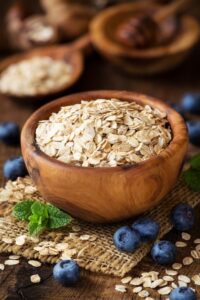
- Soft, easily digestible foods
- Non-acidic fruits and vegetables
- Whole grains and fiber-rich foods
- Lean proteins such as fish and chicken
Ulcer patients should generally avoid spicy foods, excessive caffeine, alcohol, and highly acidic foods that may worsen symptoms. Nutrition education from Health Mate Nutrition can help individuals choose foods that support digestive health.
Foods for Anemia
Anemia occurs when the body lacks enough healthy red blood cells, often due to iron deficiency. Proper nutrition is essential for improving iron levels and preventing fatigue.
Iron-rich foods include:
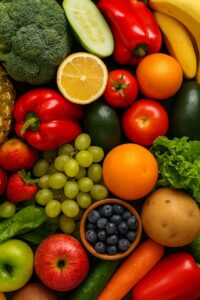
- Leafy greens such as spinach and kontomire
- Beans and lentils
- Lean meats and fish
- Fortified cereals and grains
Combining iron-rich foods with vitamin C sources like oranges or tomatoes helps improve absorption. More dietary tips for preventing anemia can be found through Health Mate Nutrition, which promotes balanced nutrition for better health outcomes.

Diet for Fatty Liver
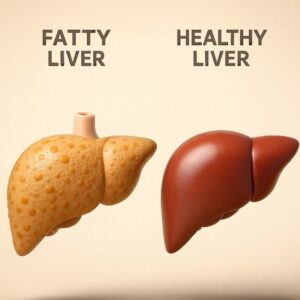
Fatty liver disease occurs when excess fat accumulates in the liver. Lifestyle changes, especially diet improvements, are essential for managing the condition.
A fatty liver-friendly diet focuses on:
- Whole grains instead of refined carbohydrates
- Lean proteins such as fish and legumes
- Plenty of vegetables and fruits
- Healthy fats like olive oil and nuts
Reducing sugary foods, processed snacks, and alcohol intake can significantly improve liver health. Individuals seeking guidance on healthy lifestyle changes can explore educational resources from Health Mate Nutrition.
Conclusion
Diet plays a powerful role in managing and preventing many chronic diseases. By choosing nutrient-dense foods, reducing processed foods, and following balanced meal plans, individuals can improve their health and reduce the risk of complications.
Reliable nutrition education is essential for making informed food choices. Resources provided by Health Mate Nutrition offer practical guidance on disease-related nutrition, healthy meal planning, and long-term wellness strategies.
Adopting healthy eating habits today can lead to better health outcomes and improved quality of life in the future.
Frequently Asked Questions (FAQs)
1. Can diet really help manage diseases?
Yes. Many chronic diseases such as diabetes, hypertension, and fatty liver can be significantly improved through proper dietary changes and healthy lifestyle habits.
2. What foods help lower blood pressure naturally?
Foods rich in potassium, fiber, and antioxidants—such as fruits, vegetables, whole grains, and lean proteins—can help lower blood pressure.
3. How can diet help control diabetes?
A balanced diet that limits refined sugars, includes high-fiber foods, and contains lean proteins helps maintain stable blood sugar levels.
4. What foods increase iron levels for anemia?
Iron-rich foods such as leafy greens, beans, lean meats, fish, and fortified cereals help improve iron levels.
5. Which foods support liver health?
Whole grains, vegetables, fruits, lean proteins, and healthy fats help support liver function and reduce fat accumulation in the liver.