
General Health and Diet: A Complete Guide to Healthy Eating and Nutrition
Healthy eating is one of the most important factors for maintaining overall well-being and preventing many lifestyle-related diseases. A balanced diet provides the body with the nutrients it needs to function properly, including proteins, vitamins, minerals, healthy fats, and carbohydrates.
Adopting healthier eating habits can improve energy levels, strengthen the immune system, support healthy weight management, and reduce the risk of chronic illnesses. Trusted nutrition platforms like Health Mate Nutrition provide practical advice and expert guidance on building healthy diets and making better food choices.
This guide explores essential nutrition topics such as healthy meal planning, protein-rich foods, iron-rich foods, immunity-boosting foods, natural weight loss strategies, and simple healthy eating tips.
Healthy Meal Plan
A healthy meal plan helps ensure that your body receives the right balance of nutrients throughout the day. Planning meals in advance can also make it easier to maintain healthy eating habits and avoid unhealthy food choices.
A balanced daily meal plan typically includes:
- Whole grains such as oats, brown rice, or whole wheat bread
- Lean proteins like eggs, fish, beans, and chicken
- Fresh fruits and vegetables for vitamins and antioxidants
- Healthy fats from nuts, seeds, and avocados
Creating structured meal plans helps individuals maintain consistent eating habits. Practical meal planning tips and balanced diet guides are available on Health Mate Nutrition.
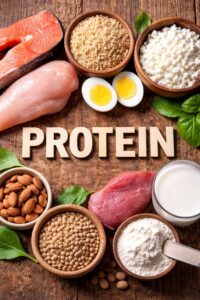
Foods Rich in Protein
Protein is an essential nutrient that supports muscle growth, tissue repair, hormone production, and immune function. Including adequate protein in daily meals is important for both children and adults.
Common protein-rich foods include:
- Eggs
- Fish and lean meats
- Beans and lentils
- Nuts and seeds
- Milk and dairy products
Plant-based proteins such as beans and legumes are also excellent choices for individuals who prefer vegetarian diets. More information on protein-rich foods and balanced nutrition can be found on Health Mate Nutrition.
Foods Rich in Iron
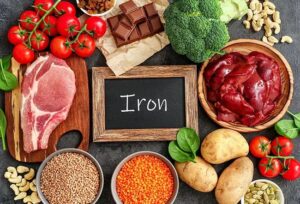
Iron is essential for producing healthy red blood cells and preventing anemia. Iron deficiency can lead to fatigue, weakness, and reduced immunity.
Foods that are rich in iron include:
- Leafy green vegetables such as spinach and kontomire
- Beans and lentils
- Lean red meat and poultry
- Fish and seafood
- Iron-fortified cereals and grains
Combining iron-rich foods with vitamin C sources like citrus fruits improves iron absorption. Educational resources from Health Mate Nutrition help individuals learn how to incorporate iron-rich foods into their diets.
Healthy Eating Tips
Developing healthy eating habits does not require drastic changes. Small improvements in daily food choices can significantly improve overall health.
Some effective healthy eating tips include:
- Eat more fruits and vegetables daily
- Choose whole grains instead of refined carbohydrates
- Limit sugary drinks and processed foods
- Drink enough water throughout the day
- Practice portion control
Learning these habits can help individuals maintain a balanced diet and prevent lifestyle-related health issues. Health Mate Nutrition regularly shares simple nutrition tips that make healthy eating easier.
How to Lose Weight Naturally
Natural weight loss focuses on long-term lifestyle changes rather than extreme dieting. A healthy approach to weight loss includes balanced nutrition, regular physical activity, and consistent healthy habits.
Effective strategies for natural weight loss include:
- Eating whole, nutrient-dense foods
- Reducing processed and sugary foods
- Increasing fiber intake
- Staying physically active
- Maintaining regular meal patterns
Sustainable weight management requires patience and consistency. Many individuals find helpful guidance and healthy diet strategies on Health Mate Nutrition.
Healthy Breakfast Ideas
Breakfast is often considered the most important meal of the day because it provides energy for daily activities and supports concentration.
Healthy breakfast ideas include:
- Oatmeal topped with fruits and nuts
- Whole grain toast with eggs or avocado
- Yogurt with fresh fruit and granola
- Smoothies made with fruits and milk
Eating a balanced breakfast helps stabilize blood sugar levels and prevents overeating later in the day. More nutritious breakfast ideas can be found through Health Mate Nutrition.
Foods That Boost Immunity
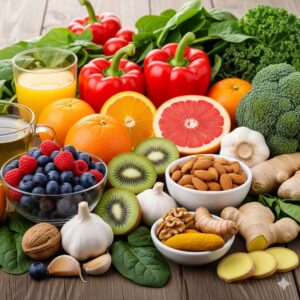
A strong immune system helps the body fight infections and maintain overall health. Diet plays a key role in strengthening immune function.
Immune-boosting foods include:
- Citrus fruits rich in vitamin C
- Garlic and ginger with natural antimicrobial properties
- Leafy greens rich in vitamins and antioxidants
- Nuts and seeds that provide healthy fats and minerals
Regular consumption of nutrient-rich foods helps maintain strong immunity and overall wellness. Health Mate Nutrition provides more guidance on foods that support immune health.
Benefits of Eating Healthy
Maintaining a healthy diet offers numerous benefits for both physical and mental well-being.
Some key benefits include:
- Improved energy levels
- Stronger immune system
- Reduced risk of chronic diseases
- Better digestion and metabolism
- Healthy weight maintenance
Healthy eating also improves mood, concentration, and overall quality of life. Educational nutrition resources from Health Mate Nutrition help individuals understand how balanced diets support long-term health.
Conclusion
A balanced diet is the foundation of good health. By focusing on nutritious foods, balanced meal plans, and healthy lifestyle habits, individuals can improve their physical health, mental well-being, and overall quality of life.
Incorporating protein-rich foods, iron-rich foods, fruits, vegetables, and whole grains into daily meals supports optimal nutrition and disease prevention. For practical tips, meal planning guides, and expert advice, individuals can explore the educational resources available through Health Mate Nutrition.
Developing healthy eating habits today can lead to long-term wellness and a healthier future.
Frequently Asked Questions (FAQs)
1. What is a healthy meal plan?
A healthy meal plan includes balanced portions of carbohydrates, proteins, healthy fats, fruits, and vegetables to meet the body’s nutritional needs.
2. What foods are high in protein?
Protein-rich foods include eggs, fish, chicken, beans, lentils, nuts, dairy products, and seeds.
3. Why is iron important in the diet?
Iron helps produce red blood cells and transport oxygen throughout the body. It also prevents anemia and fatigue.
4. How can I lose weight naturally?
Natural weight loss involves eating balanced meals, reducing processed foods, increasing physical activity, and maintaining consistent healthy habits.
5. What foods help boost immunity?
Foods rich in vitamins and antioxidants such as citrus fruits, leafy greens, nuts, seeds, garlic, and ginger help strengthen the immune system.