
Ghana-Focused Food & Diet: Healthy, Affordable, and Nutritious Local Meals
Eating a nutritious diet is essential for maintaining health, managing weight, and preventing diseases. In Ghana, families have access to a variety of local foods that are both healthy and affordable. Proper selection and preparation of these foods can help support overall wellness, child development, and long-term health.
Health Mate Nutrition provides practical guides, tips, and recipes for using Ghanaian foods to create balanced meals that are both culturally relevant and nutritionally beneficial. This pillar guide explores healthy local foods, affordable meal options, weight management foods, iron-rich traditional dishes, and child nutrition strategies using Ghanaian foods.
Healthy Ghanaian Foods
Ghanaian cuisine is rich in nutrient-dense foods that promote good health. Some of the healthiest options include:
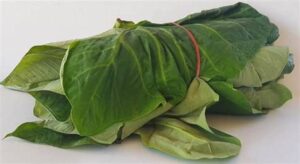
- Kontomire (cocoyam leaves) – high in iron, calcium, and vitamins
- Millet and maize – good sources of complex carbohydrates and fiber
- Plantains and yams – provide energy and essential minerals
- Fish and lean meats – rich in protein and omega-3 fatty acids
- Legumes like beans and groundnuts – plant-based proteins and minerals
- Fruits like pawpaw, oranges, and mangoes – natural vitamins and antioxidants
Incorporating these foods into daily meals helps prevent nutrient deficiencies and supports overall health. Health Mate Nutrition offers detailed guides on the nutritional benefits of popular Ghanaian foods.
Affordable Healthy Meals in Ghana
Eating healthily does not have to be expensive. By using locally available ingredients, families can prepare affordable balanced meals without compromising nutrition.
Tips for affordable healthy meals include:
- Planning meals around seasonal and local produce
- Combining grains with legumes for protein-rich dishes
- Using small portions of lean meat or fish to reduce costs
- Preparing simple vegetable stews and soups with whole grains
Health Mate Nutrition provides practical advice and sample meal plans for families seeking budget-friendly nutritious options.
Ghanaian Foods for Weight Loss
Weight management can be achieved with careful selection of local foods. High-fiber and low-calorie Ghanaian options include:
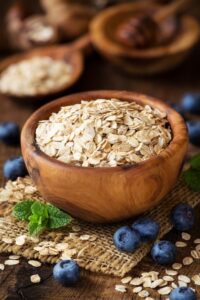
- Oats and whole grains for sustained energy
- Leafy greens and vegetables for satiety and nutrient density
- Lean proteins such as fish, eggs, and beans
- Fruits like oranges, guava, and watermelon for natural sweetness
Incorporating these foods into regular meals can support fat loss while maintaining energy and overall health. Guidance on healthy Ghanaian weight loss meals can be found on Health Mate Nutrition.
Traditional Foods Rich in Iron
Iron is crucial for preventing anemia and supporting energy and immune function. Many traditional Ghanaian foods are excellent sources of iron, including:
- Kontomire (cocoyam leaves)
- Beans and lentils
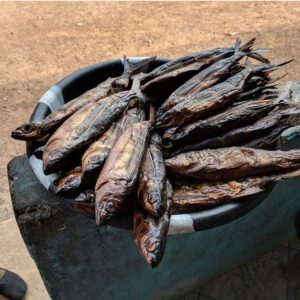
- Dried fish and small fish
- Fortified grains
Combining these iron-rich foods with vitamin C sources like citrus fruits improves absorption and helps maintain healthy iron levels. Health Mate Nutrition offers additional tips on preparing iron-rich meals for the whole family.
Balanced Diet Using Ghanaian Foods
Creating a balanced diet with local ingredients is achievable and culturally relevant. A balanced Ghanaian meal includes:
- Carbohydrates: rice, millet, yam, plantain
- Proteins: beans, fish, chicken, eggs
- Vegetables: kontomire, garden eggs, carrots
- Fruits: pawpaw, mango, banana
Meal examples:
- Lunch: Brown rice with kontomire stew and grilled fish
- Dinner: Yam with bean stew and steamed vegetables
Health Mate Nutrition provides guidance on combining local foods to meet daily nutrient requirements effectively.
Local Foods for Child Nutrition
Children require nutrient-dense foods for proper growth and development. Ghanaian options suitable for children include:
- Eggs, milk, and fish for protein and brain development
- Beans and lentils for iron and fiber
- Leafy greens like kontomire for vitamins and minerals
- Fruits such as bananas, oranges, and mangoes for energy and antioxidants
Introducing children to these foods early helps establish healthy eating habits. Parents can find additional child nutrition resources and meal ideas at Health Mate Nutrition.
Conclusion
Ghanaian foods provide a wealth of nutritious, affordable, and culturally familiar options for families. Whether your goal is general wellness, weight management, or child nutrition, integrating local foods into daily meals can support health and prevent nutrient deficiencies.
Health Mate Nutrition offers expert guides, meal planning advice, and practical tips for maximizing the nutritional value of Ghanaian foods while keeping meals affordable and delicious.
Frequently Asked Questions (FAQs)
1. What are the healthiest Ghanaian foods?
Leafy greens, whole grains, plantains, beans, fish, eggs, and local fruits like mangoes and pawpaw are among the healthiest Ghanaian foods.
2. How can I prepare affordable nutritious meals in Ghana?
Use seasonal local produce, combine grains with legumes for protein, and include small portions of lean meats or fish in meals.
3. Which Ghanaian foods help with weight loss?
High-fiber vegetables, fruits, lean proteins like fish and eggs, and whole grains such as millet and oats support healthy weight management.
4. What traditional foods are rich in iron?
Kontomire, beans, lentils, dried fish, and fortified grains are excellent iron sources in traditional Ghanaian cuisine.
5. How can I ensure my child gets enough nutrients with local foods?
Include a variety of protein sources, leafy greens, fruits, and whole grains. Follow guides from Health Mate Nutrition for practical child meal ideas.