
Pregnancy & Women’s Nutrition: A Complete Guide for Healthy Moms and Babies
Proper nutrition during pregnancy and postpartum is essential for the health of both mother and baby. Expectant and new mothers require balanced diets rich in essential nutrients to support fetal development, maintain energy, and recover after childbirth.
Platforms like Health Mate Nutrition provide expert guidance on healthy pregnancy diets, breastfeeding nutrition, and postpartum meal planning, helping women make informed choices for themselves and their babies.
This guide covers all aspects of pregnancy and women’s nutrition, including essential foods, diet plans, foods to avoid, breastfeeding tips, and postpartum nutrition strategies.
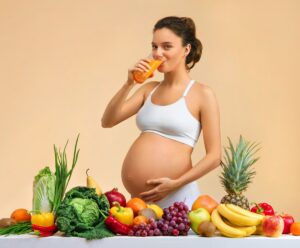
Nutrition During Pregnancy
Pregnant women need increased amounts of certain nutrients, including folic acid, iron, calcium, protein, and essential fatty acids. Proper nutrition reduces risks of birth defects, anemia, and pregnancy complications.
A healthy pregnancy diet should include:
- Leafy green vegetables for folate and iron
- Lean proteins like chicken, fish, and eggs
- Whole grains for energy and fiber
- Dairy products for calcium and vitamin D
- Fruits for vitamins, minerals, and antioxidants
For reliable advice and detailed nutrient guidance, expectant mothers can consult the educational resources provided by Health Mate Nutrition.
Foods for Pregnant Women
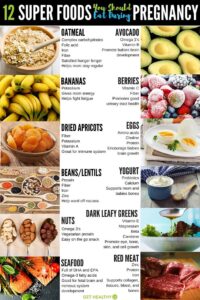
Pregnancy requires nutrient-dense foods that provide energy and support fetal development. Key food recommendations include:
- Vegetables and leafy greens for vitamins and minerals
- Fruits such as bananas, oranges, and berries for fiber and antioxidants
- Whole grains like oats, brown rice, and millet for sustained energy
- Lean protein sources including eggs, beans, fish, and poultry
Consuming a variety of foods ensures that mothers get a balanced supply of nutrients necessary for a healthy pregnancy. Health Mate Nutrition offers guides on practical meal planning and local food options suitable for pregnant women.
Pregnancy Diet Plan
A structured pregnancy diet plan helps ensure mothers receive the right balance of nutrients daily. Sample guidelines include:
- Breakfast: Oatmeal with fruit and milk
- Mid-morning snack: Nuts or yogurt
- Lunch: Brown rice with grilled chicken and steamed vegetables
- Afternoon snack: Fresh fruit or smoothie
- Dinner: Lentil stew with plantains and leafy greens
Consistent, balanced meals support healthy fetal growth, energy levels, and maternal weight gain. Health Mate Nutrition provides detailed pregnancy meal plans and dietary tips for expectant mothers.
Foods to Avoid During Pregnancy
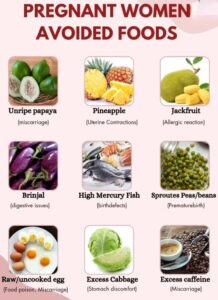
Certain foods can pose risks to the mother and developing baby. Foods to avoid include:
- Raw or undercooked fish, eggs, and meat
- High-mercury fish like shark, swordfish, and king mackerel
- Unpasteurized milk and cheese
- Excessive caffeine and sugary drinks
- Processed and junk foods with high fat and sugar content
Avoiding these foods helps reduce the risk of infections, foodborne illness, and developmental complications. Reliable guidance is available on Health Mate Nutrition for safe pregnancy eating practices.
Breastfeeding Nutrition Tips
Breastfeeding mothers need nutrient-rich diets to produce sufficient, high-quality milk. Key tips include:
- Eat balanced meals with lean proteins, whole grains, fruits, and vegetables
- Stay hydrated by drinking water regularly
- Include healthy fats such as avocados, nuts, and seeds
- Take prenatal vitamins as recommended by a healthcare provider
Proper breastfeeding nutrition supports both maternal health and the baby’s growth. Health Mate Nutrition offers expert advice and practical tips for breastfeeding moms.
Foods That Increase Breast Milk
Certain foods and nutrients are known to enhance milk production. These include:
- Oats and whole grains
- Fenugreek and other lactogenic herbs
- Leafy greens like spinach and kale
- Healthy fats from nuts, seeds, and avocado
- Protein-rich foods such as eggs, fish, and beans
In addition to diet, lifestyle practices such as frequent breastfeeding and proper rest support healthy milk supply. More tips can be found on Health Mate Nutrition.
Postpartum Nutrition Guide
After delivery, mothers require specific nutrients to restore energy, support recovery, and maintain overall health. Postpartum nutrition focuses on:
- Protein-rich foods for tissue repair
- Iron-rich foods to replenish blood loss
- Calcium and vitamin D for bone health
- Hydrating fluids to support lactation
Planning meals with these nutrients ensures a smoother recovery and sustained energy for new mothers. Comprehensive postpartum meal strategies are available at Health Mate Nutrition.
Best Fruits for Pregnancy
Fruits are vital for providing vitamins, minerals, fiber, and antioxidants during pregnancy. The best options include:
- Bananas for potassium and energy
- Oranges for vitamin C and folate
- Avocados for healthy fats and vitamin E
- Berries for antioxidants and fiber
Including a variety of fruits in daily meals contributes to overall maternal health and supports fetal development. Health Mate Nutrition provides curated lists of pregnancy-friendly fruits and their benefits.
Conclusion
Maintaining proper nutrition during pregnancy and postpartum is essential for the health of both mother and baby. Balanced diets, mindful food choices, and adequate nutrient intake support fetal growth, maternal recovery, and successful breastfeeding.
Expectant and new mothers can access expert guidance, practical meal plans, and nutrition education at Health Mate Nutrition, which provides trusted information for healthier pregnancies and empowered motherhood.
Frequently Asked Questions (FAQs)
1. What nutrients are most important during pregnancy?
Folic acid, iron, calcium, protein, and essential fatty acids are critical for fetal growth and maternal health.
2. Which foods should pregnant women avoid?
Avoid raw or undercooked fish, high-mercury seafood, unpasteurized dairy, excessive caffeine, and processed junk foods.
3. How can I increase breast milk naturally?
Eat lactogenic foods such as oats, leafy greens, nuts, and protein-rich meals, and maintain frequent breastfeeding and proper hydration.
4. What is a healthy pregnancy diet plan?
A healthy diet plan includes balanced meals with lean proteins, whole grains, vegetables, fruits, and healthy fats, distributed throughout the day.
5. How can postpartum nutrition help recovery?
Postpartum nutrition provides essential nutrients to restore energy, repair tissues, support lactation, and maintain overall health after childbirth.