
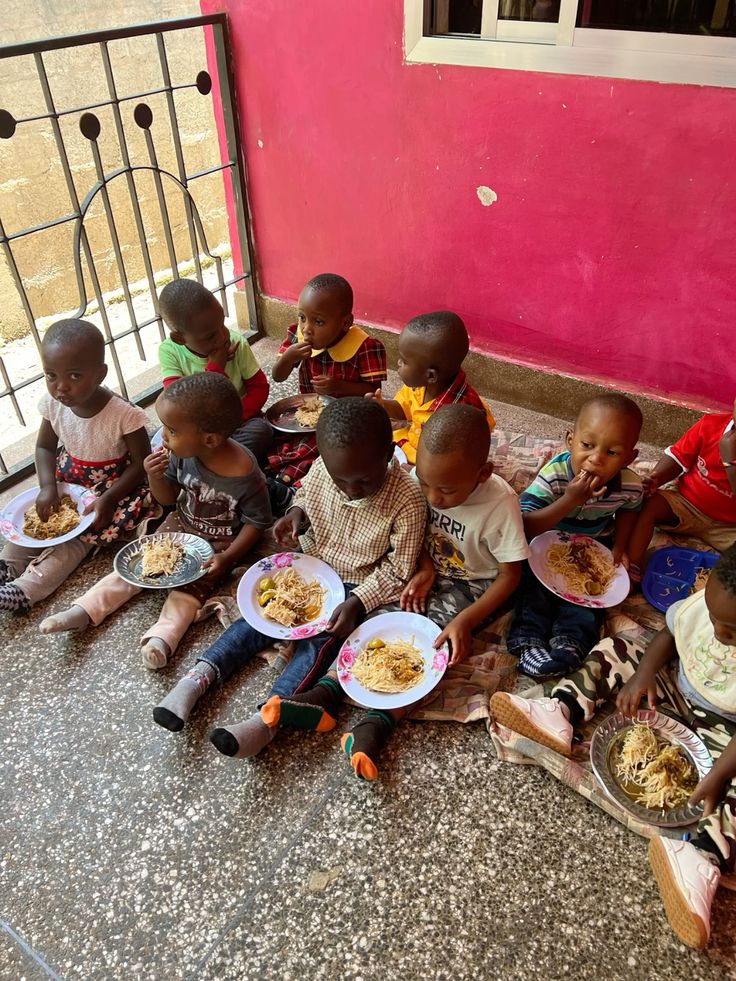
Child Nutrition in Ghana: A Complete Guide for Healthy Growth and Development
Proper child nutrition is essential for healthy growth, brain development, and overall well-being. In Ghana, where local foods are rich in nutrients, parents have a great opportunity to provide balanced diets that support their children’s development from infancy through adolescence.
Ensuring children receive the right nutrients early in life helps prevent malnutrition, strengthens immunity, and supports cognitive performance. Platforms like Health Mate Nutrition provide practical guidance to help parents make informed dietary choices for their children.
This guide explores the importance of child nutrition in Ghana, the best local foods for children, and practical tips for maintaining a balanced diet.
Importance of Child Nutrition
Childhood is a critical stage of growth, and proper nutrition plays a key role in:
- Physical growth and strong bones
- Brain development and learning ability
- Immune system strength
- Prevention of deficiencies and diseases
Parents looking for a broader understanding of balanced diets can explore our General Health and Diet guide, which explains the fundamentals of healthy eating for all age groups.
Essential Nutrients for Children
Children require a variety of nutrients to grow and develop properly. Key nutrients include:
- Proteins for growth and muscle development
- Carbohydrates for energy
- Healthy fats for brain development
- Vitamins and minerals for immunity and body functions
Understanding how these nutrients work together is essential, especially when preventing diet-related conditions. Our Disease-Related Nutrition page provides insight into how proper nutrition helps manage and prevent health issues.
Best Local Foods for Child Nutrition in Ghana
Ghana offers a wide variety of nutritious local foods that are ideal for children.
Some of the best options include:
- Koko (porridge) enriched with milk or groundnuts
- Beans and rice (waakye) for protein and energy
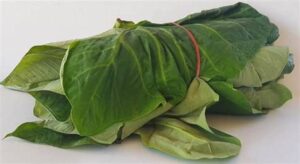
- Kontomire stew rich in iron and vitamins
- Yam and plantain for energy
- Fish and eggs for protein
Parents can learn more about incorporating traditional foods into a balanced diet by visiting our Ghana-Focused Food & Diet guide, which highlights healthy Ghanaian meal options.
Healthy Meal Plan for Children
A balanced daily meal plan for children should include:
- Breakfast: Porridge with milk and fruits
- Lunch: Rice with beans, vegetables, and fish
- Dinner: Light meal such as yam with stew or vegetables
- Snacks: Fruits, yogurt, or groundnuts
Consistency in meal timing and portion control helps maintain healthy eating habits.
Common Nutrition Problems in Children
Some common child nutrition challenges in Ghana include:
- Malnutrition
- Iron deficiency (anemia)
- Poor eating habits
- Excess consumption of sugary foods
Addressing these issues early is important. If you need professional support, our Core Nutrition Services in Ghana page can help you find expert guidance and personalized nutrition advice.
Nutrition for Infants and Young Children
Infants and toddlers require special attention when it comes to feeding.
Key recommendations include:
- Exclusive breastfeeding for the first 6 months
- Gradual introduction of solid foods
- Nutrient-dense meals in small portions
- Avoiding processed and sugary foods
Proper feeding during early childhood lays the foundation for lifelong health.
Nutrition for Girls and Future Mothers
Nutrition is especially important for young girls as they grow into adulthood. A healthy diet supports hormonal balance, growth, and future reproductive health.
For more detailed guidance on women’s dietary needs, visit our Pregnancy & Women’s Nutrition page, which covers essential nutrients and diet plans for women at different life stages.
Tips for Improving Child Nutrition
Parents can improve their children’s nutrition by:
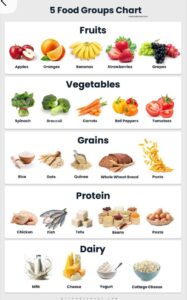
- Encouraging balanced meals with all food groups
- Including more fruits and vegetables
- Reducing sugary snacks and drinks
- Teaching healthy eating habits early
- Ensuring regular meal times
Practical nutrition advice and meal ideas are also available on Health Mate Nutrition, making it easier for families to adopt healthier lifestyles.
Conclusion
Child nutrition in Ghana plays a vital role in shaping the health and future of the next generation. By focusing on balanced diets, incorporating local nutritious foods, and maintaining healthy eating habits, parents can ensure their children grow strong and healthy.
For more expert nutrition advice, meal plans, and healthy living tips, visit Health Mate Nutrition and explore resources designed to support families in making better dietary choices.
Frequently Asked Questions (FAQs)
1. What is the best diet for children in Ghana?
A balanced diet including local foods such as rice, beans, vegetables, fish, fruits, and whole grains is ideal for children.
2. How can I improve my child’s nutrition?
Provide balanced meals, include fruits and vegetables, limit sugary foods, and maintain regular meal times.
3. What causes malnutrition in children?
Poor diet, lack of essential nutrients, and unhealthy eating habits are common causes of malnutrition.
4. Are local Ghanaian foods good for children?
Yes, many local foods are highly nutritious and provide essential vitamins, minerals, and energy needed for growth.
5. Where can I get nutrition advice in Ghana?
You can consult hospitals, private nutritionists, or visit platforms like Health Mate Nutrition for reliable nutrition guidance.