
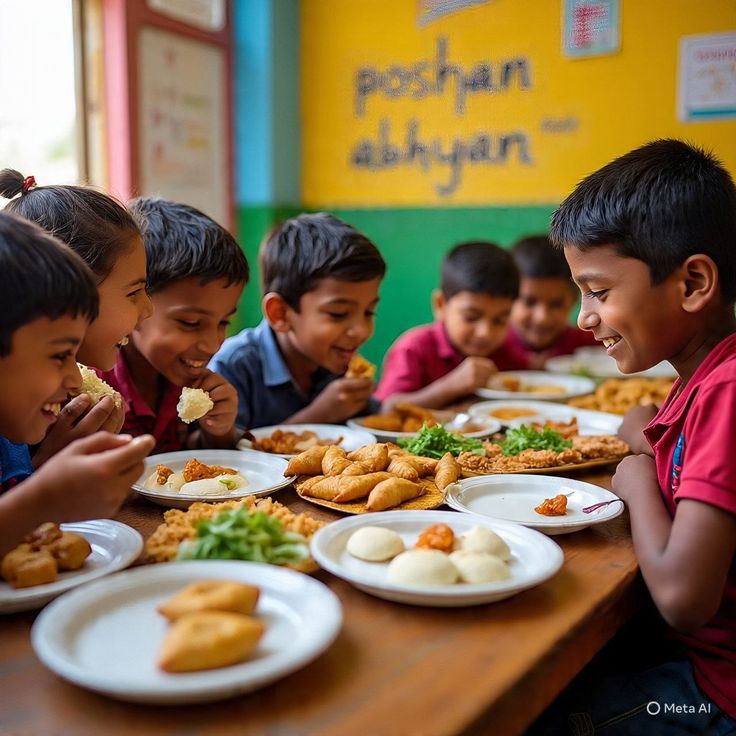
Local Foods for Child Nutrition in Ghana
Proper nutrition is essential for a child’s growth, brain development, and overall health. In Ghana, many local foods are rich in essential nutrients and can provide everything children need to grow strong and healthy—without relying on expensive imported products.
Using locally available foods makes it easier for families to maintain a balanced and affordable diet. Trusted platforms like Health Mate Nutrition offer expert advice and meal plans to help parents make the best nutrition choices for their children.
This guide explores the best local foods for child nutrition in Ghana and how to incorporate them into daily meals.
Why Local Foods Are Important for Children
Local Ghanaian foods are:
- Nutrient-rich
- Affordable and accessible
- Fresh and culturally appropriate
- Easy to prepare
Providing children with these foods supports healthy growth and development.
To understand the basics of balanced diets, visit our General Health and Diet guide.
Essential Nutrients for Child Nutrition
Children need a variety of nutrients, including:
- Protein – for growth and muscle development
- Iron – to prevent anemia
- Calcium – for strong bones and teeth
- Vitamins and minerals – for immunity
- Healthy fats – for brain development
For more insights into preventing deficiencies, visit our Disease-Related Nutrition page.
Best Local Foods for Child Nutrition in Ghana
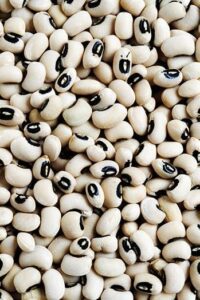
1. Beans
Beans are rich in protein and iron, making them excellent for growth.
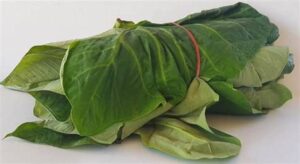
2. Kontomire (Cocoyam Leaves)
A great source of iron and vitamins, commonly used in stews.
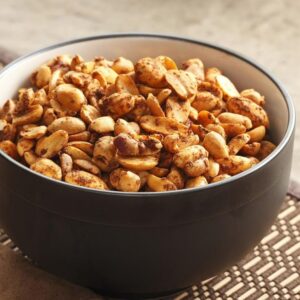
3. Groundnuts (Peanuts)
Provide protein, healthy fats, and energy.
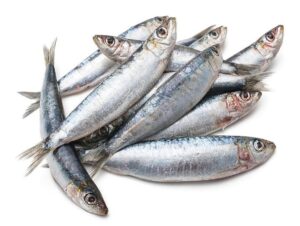
4. Fish
Fish is rich in protein and healthy fats that support brain development.
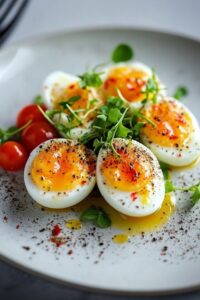
5. Eggs
Eggs are nutrient-dense and support growth and development.
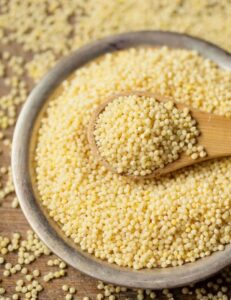
6. Millet and Maize
Used in porridge (koko), these grains provide energy and nutrients.
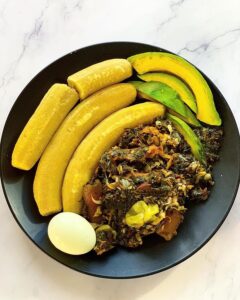
7. Yam and Plantain
Good sources of carbohydrates for energy.
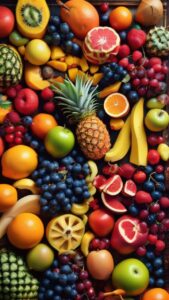
8. Fruits
Local fruits provide essential vitamins and fiber:
- Bananas
- Oranges
- Pawpaw
9. Vegetables
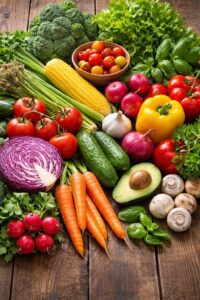
Vegetables are rich in vitamins and minerals:
- Carrots
- Okra
- Garden eggs
10. Dairy or Fortified Alternatives
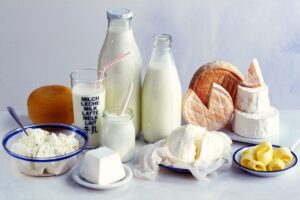
Milk and other dairy products provide calcium for bone development.
For more local meal ideas, visit our Ghana-Focused Food & Diet guide.
Sample Meal Plan for Children
Breakfast
- Millet porridge with milk and groundnuts
Lunch
- Rice and beans with vegetables and fish
Dinner
- Yam with kontomire stew
Snacks
- Fruits or yogurt
Providing a variety of foods ensures children receive balanced nutrition.
Feeding Tips for Parents
- Serve small, frequent meals
- Include different food groups
- Encourage healthy eating habits
- Avoid excessive sugary snacks
- Be patient with picky eaters
Parents can learn more about proper feeding practices in our Child Nutrition page.
Nutrition for Mothers and Children
A child’s nutrition begins during pregnancy and continues through breastfeeding.
For more guidance, visit our Pregnancy & Women’s Nutrition page.
When to Seek Professional Help
If your child shows signs of poor growth or nutritional deficiencies, consult a professional.
Visit our Core Nutrition Services in Ghana page to connect with qualified nutritionists.
You can also find helpful child nutrition tips and meal plans on Health Mate Nutrition.
Tips for Improving Child Nutrition with Local Foods
- Use fresh, seasonal ingredients
- Combine different food groups
- Ensure proper food hygiene
- Maintain regular meal times
Consistency helps build healthy eating habits.
Conclusion
Local foods for child nutrition in Ghana provide a practical, affordable, and effective way to support healthy growth and development. By using nutrient-rich local ingredients, parents can ensure their children receive the best possible start in life.
For expert advice, meal plans, and nutrition guidance, visit Health Mate Nutrition and support your child’s healthy future.
Frequently Asked Questions (FAQs)
1. What are the best local foods for child growth?
Beans, fish, eggs, kontomire, fruits, and whole grains are excellent choices.
2. Can local foods provide all nutrients for children?
Yes, a balanced diet using local foods can meet all nutritional needs.
3. How often should children eat?
Children should have 3 meals and 1–2 healthy snacks daily.
4. Are Ghanaian foods healthy for children?
Yes, when prepared properly, they provide essential nutrients.
5. Where can I get child nutrition advice in Ghana?
You can consult professionals or visit platforms like Health Mate Nutrition for guidance.