
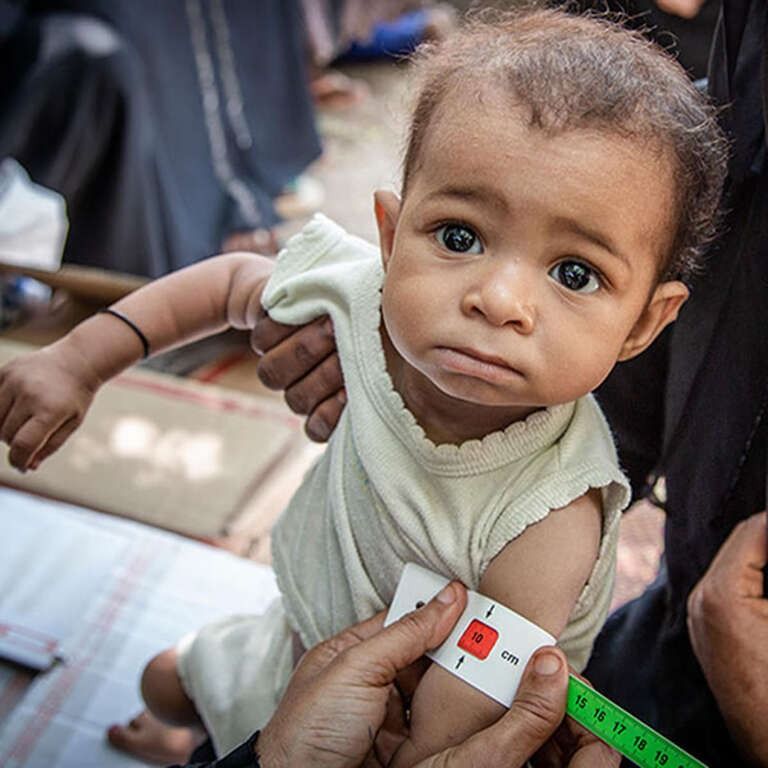
Signs of Malnutrition in Children
Malnutrition remains a serious health concern affecting many children, especially in developing countries. It occurs when a child does not receive the right amount of nutrients needed for proper growth and development.
Recognizing the early signs of malnutrition is crucial for timely intervention and prevention of long-term health complications. With proper nutrition and guidance from trusted platforms like Health Mate Nutrition, parents can take proactive steps to ensure their children grow healthy and strong.
This guide explains the common signs of malnutrition, its causes, and how to prevent it effectively.
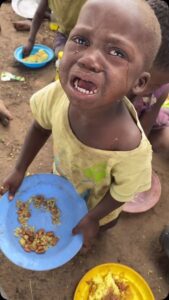
What is Malnutrition?
Malnutrition refers to deficiencies, excesses, or imbalances in a child’s intake of nutrients. It can lead to serious health issues, including stunted growth, weakened immunity, and delayed development.
To better understand how balanced diets support overall health, visit our General Health and Diet guide.
Common Signs of Malnutrition in Children
Identifying malnutrition early can help prevent severe health problems.
Physical Signs
- Stunted growth (child is shorter than expected for age)
- Underweight or sudden weight loss
- Swollen belly (in severe cases)
- Thin arms and legs
- Dry, flaky, or pale skin
- Hair changes (thin, dry, or easily falling out)
Behavioral Signs
- Low energy and fatigue
- Irritability or frequent crying
- Poor concentration
- Reduced physical activity
Health-Related Signs
- Frequent infections
- Slow wound healing
- Weak immune system
- Delayed developmental milestones
Parents can learn more about proper feeding and nutrient requirements in our Child Nutrition guide.
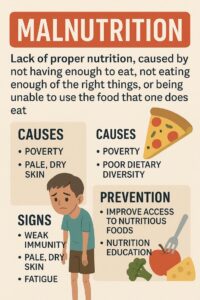
Causes of Malnutrition in Children
Malnutrition can result from several factors, including:
- Inadequate food intake
- Poor feeding practices
- Lack of dietary diversity
- Illness or infections
- Poverty and limited access to nutritious foods
Understanding how nutrition impacts health conditions is important. Visit our Disease-Related Nutrition page for more insights.
Effects of Malnutrition
If not addressed early, malnutrition can lead to:
- Delayed physical and mental development
- Increased risk of disease
- Poor academic performance
- Long-term health complications
These effects highlight the importance of early detection and proper nutrition.
How to Prevent Malnutrition in Children
Preventing malnutrition requires consistent access to balanced and nutrient-rich meals.
Key prevention strategies include:
- Providing a balanced diet with all food groups
- Including protein-rich foods like eggs, fish, and beans
- Feeding children fruits and vegetables daily
- Ensuring proper breastfeeding and complementary feeding
- Maintaining good hygiene and sanitation
Parents can explore healthy local food options in our Ghana-Focused Food & Diet guide.
Nutrition for Mothers and Its Impact on Children
A child’s nutrition begins with the mother, especially during pregnancy and breastfeeding.
Proper maternal nutrition ensures:
- Healthy birth weight
- Better immune development
- Reduced risk of malnutrition
For more information, visit our Pregnancy & Women’s Nutrition page.
When to Seek Professional Help
If you notice signs of malnutrition in your child, it is important to seek professional advice immediately.
Visit our Core Nutrition Services in Ghana page to connect with qualified nutritionists who can provide personalized support and treatment plans.
You can also find helpful nutrition tips and child feeding guides on Health Mate Nutrition.
Practical Tips for Parents
- Monitor your child’s growth regularly
- Provide regular, balanced meals
- Encourage healthy eating habits
- Avoid excessive sugary and processed foods
- Seek early medical advice when needed
Taking these steps can significantly improve a child’s health and development.
Conclusion
Recognizing the signs of malnutrition in children is essential for early intervention and prevention. By providing balanced diets, monitoring growth, and seeking professional guidance when necessary, parents can ensure their children grow healthy and strong.
For expert nutrition advice, meal plans, and child health resources, visit Health Mate Nutrition and take proactive steps toward better child health.
Frequently Asked Questions (FAQs)
1. What are the first signs of malnutrition in children?
Early signs include weight loss, fatigue, poor appetite, and slow growth.
2. What causes malnutrition in children?
Common causes include poor diet, illness, lack of nutrients, and inadequate feeding practices.
3. How can malnutrition be prevented?
Provide a balanced diet, ensure proper feeding, and maintain good hygiene and healthcare.
4. Can malnutrition be treated?
Yes, with proper nutrition, medical care, and early intervention, malnutrition can be managed effectively.
5. Where can I get help for child nutrition in Ghana?
You can consult healthcare providers or visit platforms like Health Mate Nutrition for guidance.